Understanding Absorbent Materials in Cat Litter
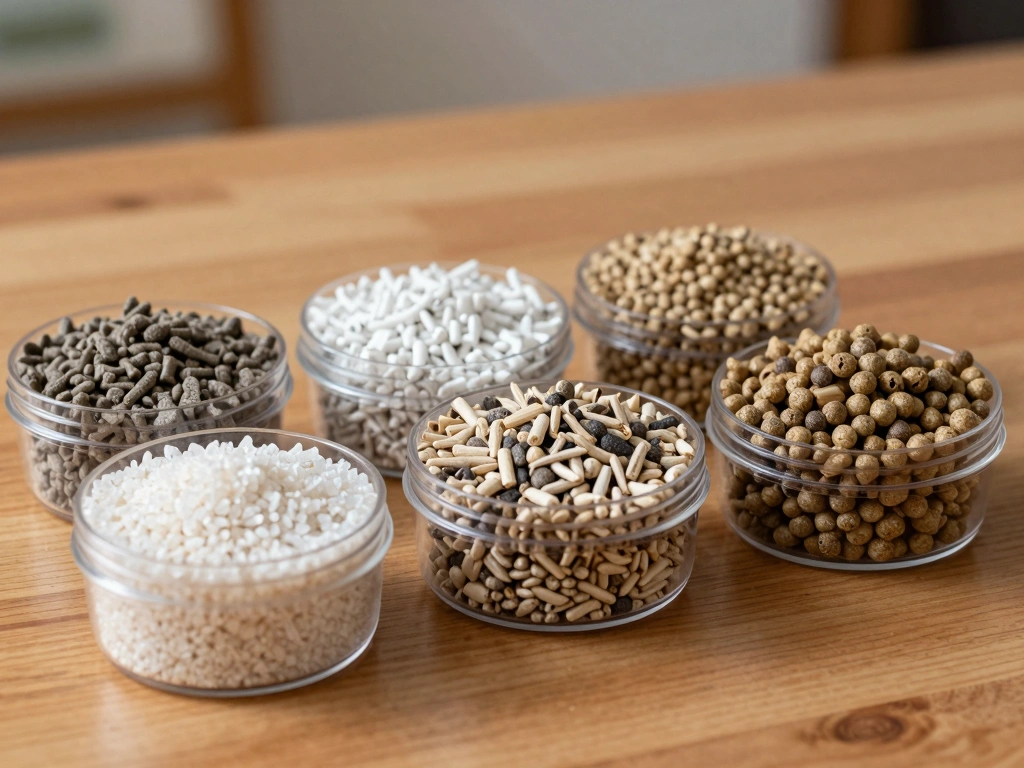
Choosing the right cat litter involves more than just scent and texture; it requires an understanding of the chemical properties of the materials used. Different brands utilize a variety of absorbent materials, each with unique chemical characteristics that influence performance, safety, and environmental impact.
Clay-Based Litters: Bentonite vs. Other Clays
Clay-based litters are among the most popular choices, primarily due to their absorbent capabilities and odor control. The two most common types of clay used in cat litter are bentonite and other clays like kaolin and attapulgite.
- Bentonite: This clay is composed primarily of montmorillonite, a mineral that expands when wet, forming clumps. This clumping action is due to the unique layered structure of its particles, which allows water to be absorbed between the layers. Brands like Dr. Elsey's Precious Cat Ultra Cat Litter utilize bentonite for its superior clumping ability, moisture retention, and odor control.
- Kaolin and Attapulgite: These clays do not clump as effectively as bentonite but have their advantages. Kaolin is often used in lightweight litters and has a lower dust content. Brands such as Pet Promise may use kaolin to reduce respiratory issues in sensitive cats.
Corn and Wheat Litters: Starch and Protein Components
Biodegradable litters made from corn and wheat exploit the natural starches and proteins found in these grains. Corn-based litters, like World's Best Cat Litter, are highly absorbent due to their high starch content, which forms clumps when wet. The chemical composition of corn includes:
- Starch: This polysaccharide contributes to clumping and moisture absorption.
- Protein Components: These can help reduce odors by binding with ammonia, a major contributor to unpleasant smells in cat waste.
Wheat litters, such as Ökocat, utilize enzyme technology to break down waste, offering a natural odor control method that relies on the chemical breakdown of organic matter.
Recycled Paper and Wood: Chemical Properties and Absorption
Recycled paper and wood litters are becoming increasingly popular for their environmental benefits. The chemical composition of these materials contributes to their absorption and odor control properties.
- Recycled Paper: This material is typically processed to remove inks and contaminants, creating a highly absorbent product. The cellulose fibers in paper are hydrophilic, meaning they attract water, allowing them to soak up moisture effectively. Brands like PetFusion use recycled paper for its low dust and lightweight characteristics.
- Wood: Wood litters, made from pine or cedar, contain natural phenols that provide odor control. The chemical compounds found in wood, such as lignin, contribute to its absorbent properties. However, they may not clump as effectively as clay-based litters.
The Role of Additives in Cat Litter Formulations
To enhance their performance, many cat litter brands incorporate various additives. These additives can significantly alter the chemical properties of the litter, impacting everything from odor control to clumping ability.
Fragrance Compounds: Natural vs. Synthetic
Fragrance is a common additive in cat litters, but the source of these compounds can vary widely.
- Natural Fragrances: Derived from plant extracts, these fragrances tend to be less irritating to both cats and humans. Brands like Blue Buffalo Naturally Fresh use natural plant materials to create pleasant scents without synthetic chemicals.
- Synthetic Fragrances: Often more potent, synthetic fragrances can mask odors effectively but may cause allergic reactions in sensitive cats. They can contain a variety of chemical compounds that may have varying effects on indoor air quality.
Clumping Agents: Chemical Mechanisms Behind Clumping
Clumping agents are vital for the functionality of many litters. The most common chemical mechanism involves the use of sodium bentonite, which expands upon contact with moisture. Some brands may also include:
- Natural Gums: These polysaccharides can enhance clumping without introducing synthetic chemicals.
- Silica Gel: Some litters incorporate silica crystals, which absorb moisture and help to form clumps by trapping liquid.
Antimicrobial Additives: Types and Their Effectiveness
To combat bacteria and fungi, many brands add antimicrobial agents to their formulations. Common examples include:
- Silver Ion Technology: Brands like PetSafe utilize silver ions for their antibacterial properties, effectively reducing odor and bacterial growth.
- Essential Oils: Some natural litters incorporate essential oils with antimicrobial properties, although their effectiveness can vary based on concentration and type.
Environmental Impact of Chemical Components in Cat Litter
As awareness of environmental issues grows, the chemical components of cat litter are under scrutiny regarding their sustainability and ecological impact.
Biodegradability of Natural vs. Synthetic Materials
Natural litters, such as those made from corn, wheat, or recycled paper, are typically biodegradable and compostable. In contrast, synthetic clay litters, especially those made from sodium bentonite, can take years to decompose, leading to significant landfill contributions.
- Natural Litter Brands: Brands like World's Best Cat Litter and Ökocat promote their biodegradability as a significant selling point, appealing to environmentally conscious consumers.
- Synthetic Litter Brands: While effective in odor control and clumping, brands like Arm & Hammer may contribute to environmental degradation due to the non-biodegradable nature of their products.
Potential Toxins: Chemical Leaching and Soil Impact
Some cat litters can leach chemicals into the soil, particularly those made from synthetic materials. This leaching can introduce harmful substances into the environment, affecting local ecosystems.
- Heavy Metals: Some synthetic litters may contain trace heavy metals that can leach into the soil, posing a risk to plants and wildlife.
- Fragrance Compounds: Synthetic fragrances may also leach, potentially impacting soil and water quality.
Carbon Footprint of Production Processes
The production of cat litter varies widely in terms of carbon footprint, depending on the source material and manufacturing processes. Clay mining, for instance, has a significant environmental impact due to the energy-intensive processes involved and the disruption of landscapes. In contrast, biodegradable litters often have lower carbon footprints due to their renewable resources.
- Clay Litter Production: The extraction and processing of bentonite clay contribute substantially to greenhouse gas emissions and environmental degradation.
- Biodegradable Litter Production: Brands that use agricultural byproducts, like World's Best Cat Litter, often tout lower environmental impacts, reflecting a growing trend toward sustainability.
pH Levels and Odor Control in Cat Litter
The pH level of cat litter can influence both odor control and cat health. Different materials inherently have different pH levels, impacting their efficacy in neutralizing odors.
pH Variations Among Different Litters
Clay-based litters generally have a neutral to slightly alkaline pH, while organic litters can range from acidic to neutral.
- Clay Litters: Typically have a pH around 7-8, which helps neutralize the ammonia produced by cat urine.
- Natural Litters: Corn and wheat-based litters tend to be more acidic, with a pH level that can inhibit the growth of odor-causing bacteria.
Odor Neutralizers: Chemical Reactions and Efficacy
Odor control is one of the primary functions of cat litter, and various chemical reactions contribute to this. For instance:
- Ammonia Neutralization: Some natural litters utilize proteins that chemically bind to ammonia, reducing its volatility and odor.
- Activated Charcoal: Many brands, like PetSafe ScoopFree, incorporate activated charcoal, which adsorbs odors rather than merely masking them.
Impact of pH on Cat Health and Litter Performance
The pH level of litter can impact a cat's health, particularly for those prone to urinary tract issues. A neutral pH is generally the best for preventing irritation. Brands focusing on maintaining optimal pH levels, like PetSafe, often highlight this aspect in their marketing.
Comparative Analysis of Popular Cat Litter Brands
With a plethora of cat litter options available, a comparative analysis of their chemical compositions reveals significant differences that can inform consumer choices.
Chemical Composition of Leading Brands
Brands like Arm & Hammer, World's Best Cat Litter, and Ökocat each employ unique materials and additives:
- Arm & Hammer: Primarily uses sodium bentonite clay combined with baking soda for odor control.
- World's Best Cat Litter: Made from whole-kernel corn, leveraging natural starch for clumping and absorbency.
- Ökocat: Utilizes reclaimed wood, focusing on natural absorption and odor control via lignin and phenols.
Consumer Preferences and Chemical Performance
Consumer preferences often hinge on the performance of these chemical compositions. For instance, those seeking clumping action may gravitate towards clay litters, while environmentally conscious users might prefer natural options. Surveys indicate that over 60% of cat owners prioritize odor control, directly correlating with the chemical effectiveness of their chosen litter.
Brand Transparency: Ingredient Labels and Consumer Trust
As consumers become more informed, the transparency of ingredient labels plays a critical role in brand trust. Brands that openly disclose their chemical compositions, such as Blue Buffalo and World's Best Cat Litter, tend to gain higher consumer loyalty. In contrast, brands with vague descriptions may face skepticism, highlighting the importance of chemical clarity in marketing.